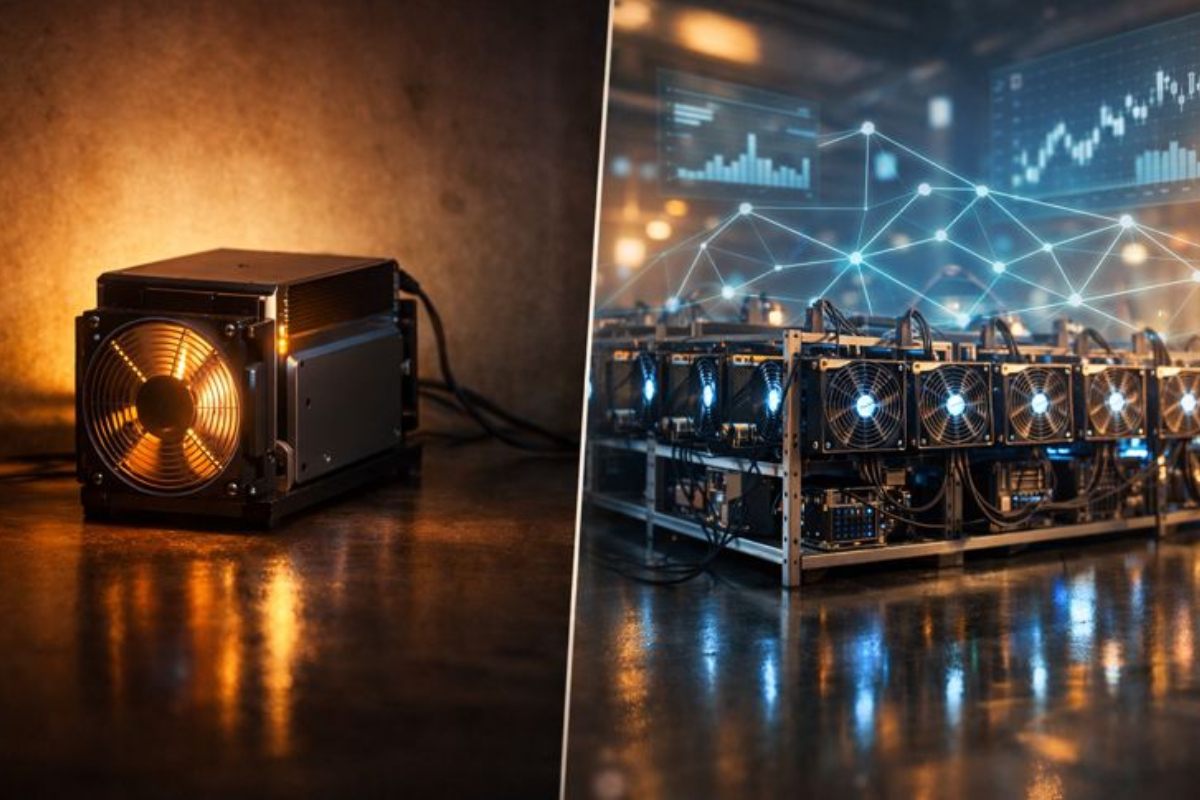
When it comes to getting started in cryptocurrency, understanding mining pools vs solo mining is essential. These two approaches define how miners earn rewards and manage risks. For beginners, choosing the right path can affect both profitability and the overall learning experience. Many new miners feel overwhelmed by technical terms and hardware requirements, but knowing the differences can help make an informed decision. This guide will break down the main differences, pros and cons, and what beginners should consider before diving in.
Before exploring the detailed comparisons, let’s briefly summarize what you can expect from each approach.
Mining Pools vs Solo Mining: What Beginners Should Know
Understanding the essentials of mining pools and solo mining helps beginners see the bigger picture. Both methods involve validating cryptocurrency transactions, but the approach to earning rewards is very different. Here’s a quick summary of the main points to keep in mind.
To make the key differences clear, consider the following:
- Solo mining offers full control and complete rewards but comes with high costs and unpredictable payouts.
- Mining pools allow smaller miners to combine resources, generating more frequent, stable payouts.
- Hardware choice and electricity costs impact profitability for both methods.
- Knowledge of mining algorithms, like proof-of-work vs proof-of-stake, affects which method works best.
- Beginners should weigh risk tolerance, patience, and technical ability before choosing a path.
Overview of Mining Options
Starting with a clear understanding of the available options is crucial for beginners. Mining can be done alone or in collaboration with others, and each choice has distinct advantages and challenges.
For those just starting, following a complete crypto mining guide can make understanding mining pools and solo mining much easier. In this section, we will explore what solo mining and mining pools are and compare them directly.
What is Solo Mining?
Solo mining refers to the process where a miner uses their own hardware to solve cryptographic problems independently. Miners work alone to validate transactions and add blocks to the blockchain.
One of the main benefits of solo mining is that miners keep the entire block reward for themselves. This can be highly profitable if a miner successfully discovers a block. However, the odds of solving a block alone are extremely low for beginners with limited hardware. High-performance equipment, such as ASICs or top-tier GPUs, is often required. Solo mining also requires patience because payouts can be irregular and infrequent.
For beginners, solo mining can feel like a lottery. You might wait weeks or months without any rewards. On the other hand, it offers a clear way to learn how the mining process works from start to finish, which can be a valuable experience for understanding cryptocurrency.
What Are Mining Pools?
Mining pools are groups of miners who combine their computational power to increase the chances of discovering a block. When a pool successfully mines a block, the rewards are shared among participants based on their contributed processing power.
This approach reduces the unpredictability of rewards. Beginners can earn smaller, regular payouts instead of waiting for a rare big win. Pools often charge a small fee, usually between 1-3%, but the consistent payouts often outweigh the cost for new miners. Choosing the right pool is important, and factors such as payout method, fees, and pool size should be considered.
Selecting the best mining setup also depends on the types of mining hardware you have available, which can affect your pool performance. Even with moderate hardware, pools make mining accessible and educational for beginners who are just starting.
Mining Pools vs Solo Mining: Direct Comparison
Comparing mining pools and solo mining helps beginners decide which approach aligns with their goals. Solo mining is high risk but potentially high reward. Mining pools offer steady income but with shared rewards.
Other considerations include difficulty level, energy consumption, and the type of cryptocurrency being mined. Understanding proof-of-work vs proof-of-stake is essential when deciding between mining pools and solo mining, as it affects reward systems and the overall mining strategy.
In practice, many beginners start in a pool to learn the basics and manage risk. After gaining experience and evaluating hardware capabilities, some eventually explore solo mining to see if they can secure full block rewards.
Key Considerations for Beginners Choosing Between Mining Pools vs Solo Mining
Choosing between mining pools and solo mining goes beyond understanding the mechanics. Beginners should assess hardware, costs, and the technical skills needed for each method.
Hardware and Setup Requirements
Mining requires computing power, and the type of hardware determines efficiency. Solo mining often demands high-end ASICs or multiple GPUs to have a realistic chance of earning rewards. Pools allow miners to participate even with mid-range or older hardware.
Energy consumption is another factor. Solo mining can lead to high electricity bills if running multiple devices continuously. Beginners should evaluate both upfront costs and ongoing expenses to determine feasibility.
Expected Rewards and Risk
Solo mining carries the chance of hitting a big payout but comes with unpredictable timelines. Mining pools provide smaller, more consistent rewards. Beginners often prefer pools to manage risk while learning how the process works.
Patience is key. Understanding that mining is not an instant profit method helps set realistic expectations. A miner in a pool may earn small rewards daily, whereas a solo miner might wait weeks without success.
Software, Pools, and Management
Mining is not just hardware; software choices also matter. Pools often provide user-friendly dashboards and monitoring tools to track contributions and payouts. Solo miners need software capable of handling block validation and monitoring performance independently.
Security is critical. Beginners should follow safe practices to protect their mining setup and cryptocurrency. Maintaining updated software and safeguarding wallets ensures that rewards remain secure and accessible.
Making the Decision: Mining Pools vs Solo Mining
When deciding which method to use, beginners should consider three main factors: risk tolerance, hardware capability, and patience. Mining pools reduce risk and provide steady learning opportunities. Solo mining can be rewarding for those who have high-performance equipment and enjoy technical challenges.
A practical approach for many beginners is to start with a pool to gain hands-on experience. This method offers learning opportunities without the stress of unpredictable rewards. Once confident, some miners may experiment with solo mining to potentially earn full block rewards and understand the mining process more deeply.
Choosing the Right Path for Beginners
Choosing between mining pools and solo mining depends on personal goals, resources, and technical comfort. Beginners who prioritize steady learning and consistent rewards often benefit from joining a pool. Those seeking full control and potentially higher payouts might consider solo mining, keeping in mind the higher risk.
For anyone wanting to understand how mining works step by step, learning the cryptocurrency mining process can provide valuable insight before committing to any mining method. By weighing hardware, costs, and risk tolerance, beginners can start confidently and gradually grow their mining knowledge.
With careful planning and practical experience, mining can be both educational and rewarding. Starting small, monitoring results, and learning from experience ensures a solid foundation for any beginner entering the world of cryptocurrency.



No responses yet