The question “what is cryptocurrency mining?” is one that many beginners and enthusiasts ask as they explore the world of digital currencies. Mining forms the backbone of blockchain networks, securing transactions while rewarding participants with cryptocurrency. Whether you’re a beginner exploring Bitcoin or an aspiring miner, grasping how mining works can clarify both its potential and risks. This guide will break down the process in simple, actionable terms, helping you understand why mining matters and how it operates.
Before diving deeper, it’s helpful to see an overview of the key concepts covered in this article, so you can quickly grasp the essentials.
What Is Cryptocurrency Mining: Key Points at a Glance
Mining can seem complex at first, but it becomes clearer when you understand the core components. Here’s a quick overview of what you will learn:
- How cryptocurrency mining validates and secures transactions on blockchain networks
- Different types of mining hardware and software are used in the process
- The differences between mining solo or in mining pools vs solo operations
- How mining affects energy use and profitability for home users
- The role of blockchain mechanisms, like proof of work, in ensuring security
This snapshot prepares you for the detailed explanations that follow and highlights the practical aspects you need to know.
How Cryptocurrency Mining Actually Works
Cryptocurrency mining is the process of validating digital transactions and adding them to a blockchain, which is a public ledger of all activity. Miners compete to solve complex mathematical problems that secure the network, and in return, they earn cryptocurrency as a reward. Understanding this process is crucial for anyone curious about how digital currencies function, whether you plan to mine or simply want to understand the ecosystem. Let’s explore how mining works step by step, from transaction verification to blockchain integration.
The Basics of Mining Transactions
Every cryptocurrency transaction must be verified to ensure that no one can spend the same coin twice. Miners play a critical role in this process. They use specialized software to solve cryptographic puzzles that confirm transactions are legitimate. Once a puzzle is solved, the verified transactions are grouped into a block. Successfully adding this block to the blockchain earns the miner a reward, which may include newly minted coins and transaction fees. This process not only incentivizes miners but also maintains the integrity of the blockchain network.
For example, when someone sends Bitcoin to a friend, miners ensure the transaction is legitimate by checking the sender’s balance and transaction history. Only after a miner solves the required computational problem will the transaction become officially recorded on the blockchain. This system prevents fraud and keeps the currency decentralized and secure.
Understanding Blockchain Security
Blockchain networks rely on consensus mechanisms to maintain security and trust across all users. One of the most widely used methods is proof of work vs stake, which dictates how transactions are verified, and blocks are added to the chain. Proof of work requires miners to perform energy-intensive calculations, making it difficult for any single party to manipulate the network. Proof of stake, on the other hand, relies on miners’ cryptocurrency holdings to determine who validates transactions, reducing energy consumption.
These mechanisms prevent double-spending and ensure that all participants follow the rules. Without this layer of security, blockchains would be vulnerable to attacks, such as creating fake transactions or rewriting transaction history. By using a consensus method, cryptocurrency networks can operate safely without relying on central authorities like banks or governments.
Mining Hardware Essentials
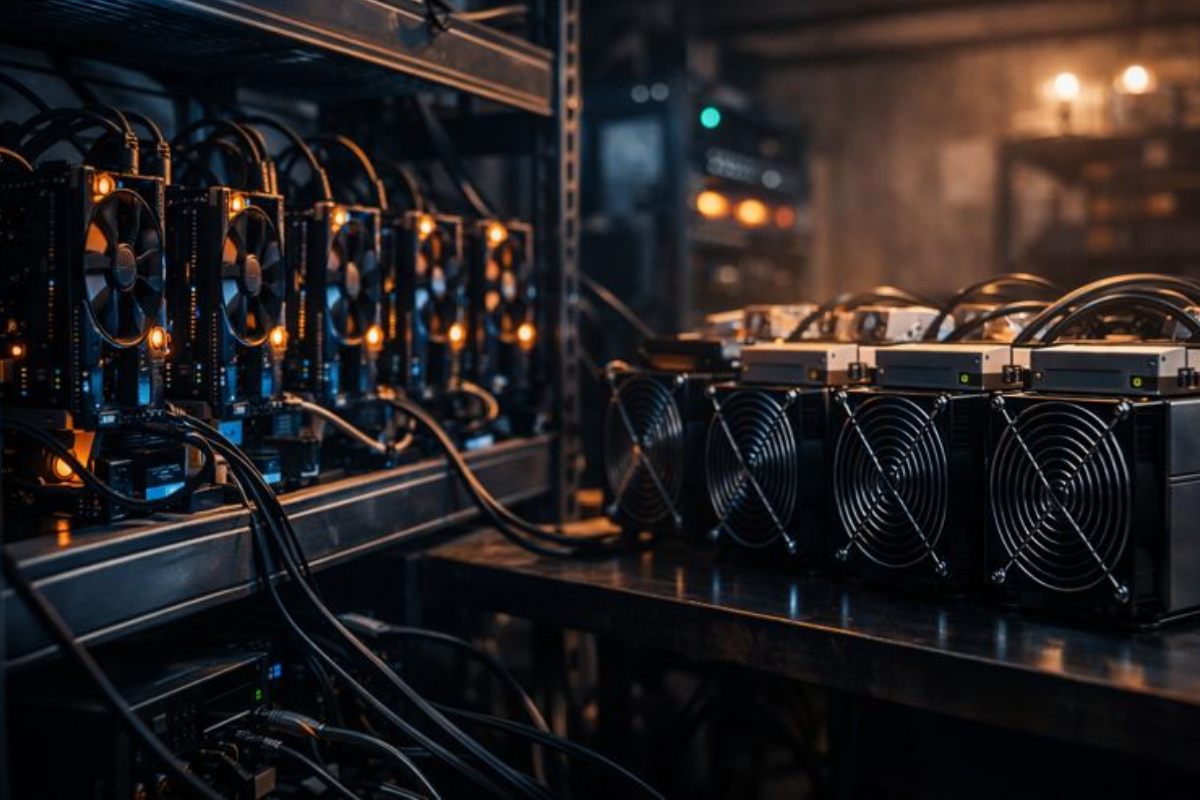
The equipment miners use significantly impacts their ability to earn rewards. Different cryptocurrencies require specific types of hardware. High-powered computers and graphic processing units (GPUs) are commonly used for flexible mining setups, while specialized ASIC machines dominate Bitcoin mining because they are optimized for specific algorithms. Choosing the right hardware depends on your goals, budget, and technical knowledge.
Understanding crypto mining hardware is essential for efficiency. Miners must weigh performance against energy consumption and cost. For instance, running an ASIC might produce higher hash rates but consume more electricity. On the other hand, GPUs offer versatility, allowing miners to switch between different coins. Evaluating these factors can make a significant difference in profitability and sustainability.
For those looking for a more detailed, step-by-step tutorial, the ultimate crypto mining guide provides comprehensive insights into setting up and optimizing your mining operations.
Different Methods of Cryptocurrency Mining
Mining can be approached in several ways, each suited to different skill levels, investment capacities, and risk preferences. Exploring these methods helps beginners decide how to start.
Solo Cryptocurrency Mining
Solo mining means mining independently, without pooling resources with other miners. You keep all the rewards, but you also take on all costs, including electricity, hardware, and maintenance. Some miners prefer this method because it offers complete control over operations and earnings. However, the likelihood of solving a block alone is lower, meaning long periods may pass without any reward. Solo mining is often best suited for highly skilled miners with powerful hardware.
Cryptocurrency Mining Pools
Joining a mining pool allows miners to combine computing power and share rewards. This approach reduces the risk of long reward gaps, producing more consistent earnings. Choosing between mining pools vs solo mining depends on your budget, experience, and patience. Pools often charge a small fee, but the steady payout can be more appealing for beginners or hobbyists. This collaborative approach allows smaller miners to participate in large networks without massive upfront investment.
Cloud and Alternative Mining
Some users turn to cloud mining services or share network resources with decentralized networks like DePIN. Cloud mining allows you to rent mining power without managing hardware, while DePIN offers rewards by sharing unused WiFi bandwidth. These approaches reduce the complexity of mining but require trust in third-party services. While convenient, users must carefully research providers to avoid scams and ensure their investment is secure.
Real-World Applications and Considerations
Mining is more than a technical process; it has practical and financial implications that affect users, communities, and even energy resources.
Profitability for Home Users
Mining can generate income, but profitability depends on several factors. Electricity costs, cryptocurrency value, hardware efficiency, and maintenance all influence whether mining is worthwhile. Home users must calculate these variables before investing in equipment. For instance, mining Bitcoin on an older GPU may consume more electricity than the coins earned, resulting in a net loss. Evaluating costs carefully helps miners avoid wasting time, money, and energy.
Environmental and Energy Concerns
Proof-of-work mining consumes significant energy, which has environmental impacts. Some miners innovate by using renewable energy sources or repurposing the heat generated by mining rigs for practical purposes, such as heating rooms during winter. These strategies reduce environmental impact while demonstrating how mining operations can be integrated into daily life responsibly. Understanding the energy footprint is important for anyone considering mining as a long-term activity.
Additional Learning Opportunities
For those curious about hands-on experience, workshops and beginner courses provide practical insights into cryptocurrency mining. Learning in a guided setting helps demystify complex concepts and lets participants experiment with hardware and software safely. By engaging in these activities, users gain a clearer answer to the question “what is cryptocurrency mining” in practice, beyond theory, and can make more informed decisions about participation in the crypto ecosystem.
What Is Cryptocurrency Mining: Final Insights
Getting the answer to the question “what is cryptocurrency mining” equips you to engage with the digital currency world responsibly. Mining validates transactions, secures blockchain networks, and offers potential rewards; but it also requires careful planning, proper hardware, and awareness of energy consumption. By exploring proof of work vs stake, choosing the right crypto mining hardware, and evaluating the best approach between mining pools vs solo, you can make informed decisions whether you aim to mine as a hobby or professionally.
For further insight into how blockchain networks maintain security, learning about Bitcoin’s proof of work can provide additional clarity and practical understanding. This extra resource helps beginners and curious users connect the concepts discussed here to real-world blockchain operations.




No responses yet