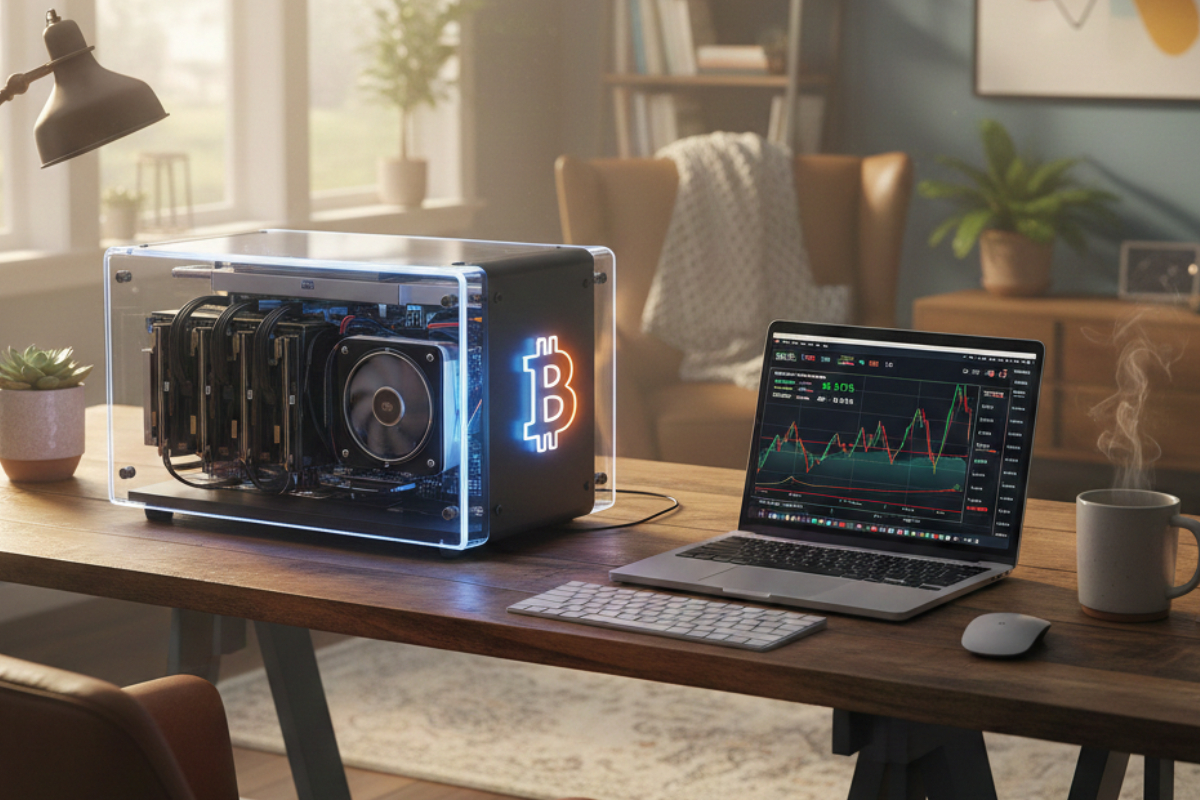
The rise of cryptocurrency has many home users wondering if Bitcoin mining in 2026 is still worth the investment. With prices fluctuating, hardware costs increasing, and electricity bills growing, mining profitability has become a complex question. Small-scale miners, hobbyists, and content creators are particularly curious about whether they can generate meaningful returns without a commercial setup.
Understanding the factors that influence mining outcomes is crucial before buying expensive equipment. By the end of this article, you will have a clear perspective on the challenges, opportunities, and practical strategies for mining Bitcoin at home.
Before diving into the details, let’s provide a brief overview of what to expect. This will help readers grasp the main points before exploring the technical and financial aspects.
Assessing Bitcoin Mining in 2026
The landscape of Bitcoin mining has changed dramatically over the years. The process that once allowed anyone with a laptop to mine coins now requires specialized hardware and careful planning. For home users, profitability depends on several interlinked factors, from electricity costs to the type of mining operation chosen.
How Bitcoin Mining Works Today
Bitcoin mining still relies on solving complex cryptographic puzzles to validate transactions and secure the blockchain. Miners compete to add new blocks and earn rewards in Bitcoin. For home users, efficiency is vital because electricity and hardware costs can quickly outweigh earnings. Choosing the right types of mining hardware can determine whether a setup is profitable. For instance, high-efficiency ASIC miners can generate more hash power with less energy, while older GPUs may struggle to earn enough to cover costs.
Mining also involves software configuration, monitoring, and understanding the reward structure. Without these steps, home users may find their efforts unrewarding, even with powerful hardware. It is also essential to account for heat output and the physical space required for a mining rig.
Electricity Costs and Home Mining
Electricity remains the largest ongoing expense for home miners. The profitability of Bitcoin mining in 2026 depends heavily on energy rates. Running high-power miners 24/7 can consume hundreds of kilowatt-hours, which adds up quickly. Home users should calculate their potential electricity cost and compare it to estimated mining earnings before committing to hardware purchases.
Some miners explore energy-efficient alternatives or time-shift usage to take advantage of off-peak rates. Others consider small solar setups to offset electricity costs. Regardless of the approach, accurate energy cost calculation is a critical step in determining whether mining remains viable.
Mining Pools vs Solo Mining
Mining alone can be rewarding, but is increasingly difficult for home users. Mining pools allow participants to combine their hash power, increasing the frequency of rewards. Each pool member receives a proportionate share based on contributed computing power. For beginners, understanding the difference between solo mining and pools is essential. Joining mining pools vs solo operations can significantly affect potential profits and result in long periods without any earnings.
Pools also provide some stability in payout frequency, making it easier for home users to track return on investment. Solo mining may still appeal to enthusiasts, but it carries a higher risk and irregular income.
For more detailed guidance, you may explore our crypto mining guide to get a comprehensive look at hardware, software, and strategies.
Hardware and Setup Considerations for Home Users
Setting up a home mining operation is more than buying a machine. Proper planning ensures safety, efficiency, and sustainability over time.
Choosing the Right Miner
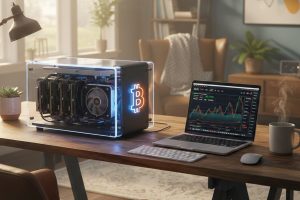
Hardware selection influences both profitability and user experience. ASIC miners dominate Bitcoin mining due to high efficiency, while GPUs are typically suited for altcoin mining. Some home users also prioritize low noise and manageable heat output. Models categorized as silent home miners can deliver strong performance without disrupting living spaces. Choosing a miner involves balancing upfront cost, energy efficiency, and noise levels.
Space, Cooling, and Maintenance
Home miners need adequate space and ventilation to prevent overheating. High-performance devices generate significant heat, which can affect both hardware lifespan and comfort at home. Maintenance is equally important, including cleaning dust, monitoring performance, and updating firmware. Neglecting these steps can reduce efficiency and profitability over time.
Software and Configuration
Mining software connects hardware to the blockchain network or a pool. Configuration includes setting up wallets, monitoring devices, and optimizing settings for power consumption and hash rates. Home users benefit from software that tracks performance metrics and alerts them to potential issues, allowing for more efficient operation and better earnings.
Evaluating Bitcoin Mining Profits in 2026
Understanding the potential return on investment is essential for anyone considering home mining in 2026.
Calculating Potential Earnings
Mining revenue depends on the hash rate, Bitcoin price, and network difficulty. Online calculators help estimate potential earnings based on hardware type, energy cost, and pool participation. Home users should use these tools to model realistic expectations, rather than relying on optimistic projections.
Costs to Consider
Upfront hardware costs, electricity, cooling, and software subscriptions all reduce net profit. Hidden expenses, such as replacement parts or increased home energy consumption, should also be factored in. Careful accounting ensures home miners avoid unexpected losses.
Market Volatility and ROI
Bitcoin prices fluctuate daily, affecting potential earnings. Even efficient setups can struggle to remain profitable during market dips. Assessing risk and planning for price changes are essential. By comparing earnings against operational costs, home users can determine whether mining is financially viable in 2026. Fluctuating prices are a critical factor in Bitcoin mining in 2026 outcomes.
Tips for Maximizing Home Bitcoin Mining Profits in 2026
Improving mining outcomes at home requires a mix of planning, strategy, and regular monitoring. By focusing on energy efficiency, pool selection, and hardware optimization, home miners can increase their chances of earning meaningful rewards.
Optimize Electricity Usage
Electricity is one of the highest costs for home miners, so managing it effectively can boost profitability. Running miners during off-peak hours or using variable electricity rates can significantly lower costs. Some miners supplement home power with solar panels or alternative energy solutions to reduce reliance on the grid. Careful tracking of energy usage ensures that mining remains financially viable.
Choose the Right Mining Pool
Joining a mining pool increases the likelihood of consistent payouts. Smaller or specialized pools may offer better rewards for home users, as they face less competition than large pools. Understanding the pool’s payout method, such as proportional payouts or pay-per-share, helps miners decide which one aligns with their goals. Thoughtful pool selection can improve earnings while reducing the risk of long periods without rewards.
Optimize Hardware and Monitor Performance
Hardware efficiency and maintenance are crucial for long-term mining success. Using silent home miners can reduce noise and manage heat output, keeping devices operating at optimal performance. Regular monitoring of hash rates, downtime, or unexpected errors allows home users to address issues promptly. Staying informed about market trends and adjusting expectations ensures mining remains practical and profitable.
Understanding the Realities of Bitcoin Mining in 2026
Mining at home remains possible but comes with challenges. Hardware costs, energy consumption, and market volatility all affect potential profits. While small-scale mining can be educational and even rewarding, it requires careful planning and realistic expectations.
For those curious about the technical side, learning about the bitcoin mining process can help home users understand how rewards are generated and what factors influence profitability.
By analyzing costs, rewards, and risks, home users can decide whether entering the mining world is suitable for their situation. With careful planning, Bitcoin mining in 2026 can still be a practical hobby or supplemental income source, even for those operating on a small scale.

No responses yet