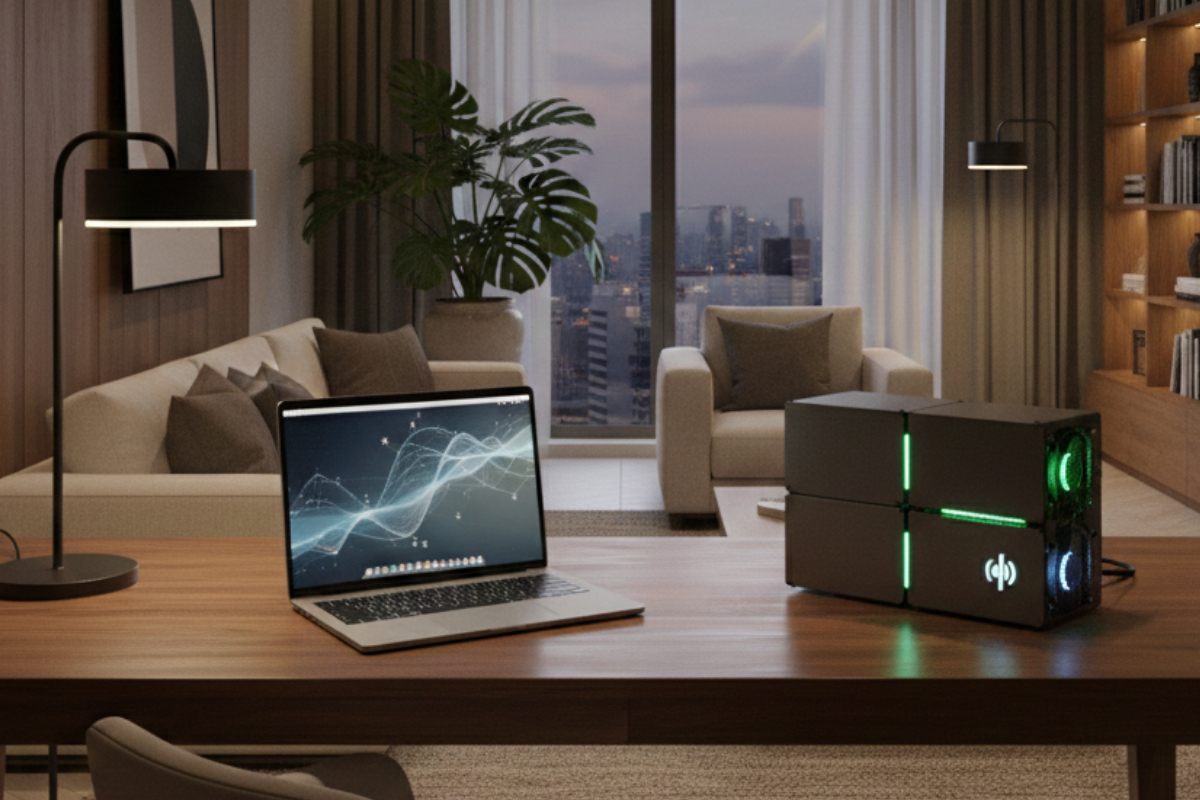
The best silent home miners have become a must-have for anyone wanting to mine cryptocurrency at home without disturbing others. Mining can be loud, and traditional machines often sound like mini-vacuum cleaners running nonstop. For people living in apartments or shared homes, noise quickly becomes the main challenge. Quiet miners solve this problem, letting you participate in crypto mining safely, comfortably, and neighbor-friendly. This guide walks you through everything from understanding what home miners are to choosing, setting up, and living with a silent setup. Along the way, you’ll gain practical tips and insights to make your home mining experience stress-free.
Mining can feel complicated at first, but starting with the basics ensures smoother decisions later. Understanding what kind of miners exist and how they operate at home will help you identify the best silent home miners for your space.
Best Silent Home Miners at a Glance
When looking for best silent home miners, it helps to know what to consider. Quiet mining isn’t just about sound; it involves hardware, cooling, and power management. Below is a snapshot of the main points this guide covers.
- Noise-friendly room placement
- Efficient cooling and airflow
- Choosing the right hardware for home setups
- Balancing performance with silence
- Estimating costs and realistic returns
- Comparing popular silent home miners for different living spaces
These points will guide your decisions as you explore specific miners and setup strategies.
What Home Miners Are and How They Work
Mining involves computers verifying cryptocurrency transactions and securing the blockchain. Miners solve complex calculations, and in return, they earn crypto rewards. While large industrial miners focus on performance and scale, home miners are designed for personal use. They are smaller, more energy-efficient, and suitable for everyday environments like bedrooms, offices, or garages.
Some home miners use ASIC chips, which are highly efficient but often generate more noise. Others rely on GPUs or CPUs, which run quieter and are better for beginners or hobbyists. Choosing the right type helps balance performance, energy consumption, and sound. For anyone learning to mine, starting with a crypto mining guide can provide essential knowledge before buying hardware.
Understanding these basics sets the stage for learning how to select equipment that won’t disrupt daily life, which the next section highlights.
Why Quiet Home Mining Makes a Difference
Mining machines run constantly, and even moderate noise adds up over time. A miner that seems quiet during the day may become intrusive at night. Quiet operation prevents stress, maintains household peace, and helps avoid complaints from neighbors. This is why noise control is essential when selecting the best silent home miners.
How Loud Is Too Loud for Home Mining
Most homes stay comfortable under 40 decibels, which is similar to a soft fan or background hum. Many entry-level miners exceed that range if left unchecked. Learning how noise is measured helps you set realistic expectations for your equipment. Paying attention to decibels ensures your setup fits your living space without overwhelming anyone.
Why Traditional ASIC Miners Are Often Noisy
ASIC miners are designed for speed and power. Their compact chips generate intense heat, which forces fans to spin at high speeds. The resulting noise can travel easily through walls, making industrial miners impractical for home use. Quiet home mining requires a different approach focused on airflow, cooling efficiency, and careful placement.
What Defines the Best Silent Home Miners
The best silent home miners share specific traits that make them suitable for home use. Understanding these features makes shopping easier and prevents costly mistakes.
Fan Design, Airflow, and Sound Control
Large fans running at lower speeds move air quietly. Fewer fans with smooth airflow paths reduce turbulence, which is a common source of whining sounds. Quiet miners often rely on smart fan placement rather than high-RPM cooling to maintain temperature.
Power Usage and Heat Generation
Lower wattage produces less heat, allowing fans to run slower and more quietly. Considering different mining hardware types helps identify models designed for energy efficiency without excessive noise.
Efficiency vs Silence Trade-Offs
Quiet operation often comes with slightly lower hash rates. While this may seem like a drawback, it allows miners to run steadily without frequent interruptions. For home environments, consistent, low-noise performance is usually more valuable than raw power.
Best Silent Home Miners for Different Living Setups
Your living situation strongly influences which miners are suitable. Space, noise tolerance, and goals all shape the best choice.
Low-Noise ASIC Miners for Spare Rooms
Some modern ASICs are built for hobbyists and learners. They combine moderate power with optimized cooling. In spare rooms or well-ventilated spaces, they operate quietly, keeping noise levels close to ambient sounds.
GPU Mining Rigs Built for Quiet Operation
GPUs offer flexibility and are easier to tune for low noise. Adjusting fan curves and reducing voltage minimizes sound without hurting stability. Before investing, evaluating home mining profitability helps you understand realistic returns for quieter setups.
CPU and Low-Power Learning Setups
CPU mining generates very little noise, making it ideal for educational or hobby projects. These setups allow beginners to experiment and learn without disrupting others, although returns remain modest.
Comparison Table of Top 5 Best Silent Home Miners
The table below compares popular silent home mining options based on noise level, power usage, and ideal use case. These miners suit apartments, shared homes, and quiet workspaces.
| Miner / Setup | Approx. Noise Level | Power Usage | Best For | Short Review |
|---|---|---|---|---|
| Bitmain Antminer S9 (Underclocked) | ~45–50 dB | Medium (underclocked) | Learning Bitcoin mining | Reliable and widely available. Underclocking reduces noise and heat, making it workable for spare rooms. Efficiency is lower than modern models. |
| Goldshell Mini DOGE Series | ~35–40 dB | Low | Apartments and offices | Designed for home use. Quiet fan profile and simple setup. Ideal for beginners who want stable, low-noise operation. |
| iPollo V1 Mini SE Plus | ~40 dB | Low to medium | Hobby mining | Compact and efficient. Maintains steady noise levels during long runs. Suitable for quiet rooms with basic ventilation. |
| GPU Mining Rig (Tuned) | ~30–40 dB | Medium (configurable) | Flexible home mining | Large fans and custom curves keep noise low. Offers coin flexibility and easier noise control than ASICs. |
| CPU-Based Mining Setup | ~25–30 dB | Very low | Learning and testing | Extremely quiet and simple. Best for education and experimentation rather than earning potential. |
Noise levels are approximate and depend on room acoustics, airflow, and configuration.
Setting Up Silent Mining Without Disturbing Neighbors
Even the quietest miners need careful planning. Placement, airflow, and electrical setup can make a noticeable difference in how sound travels. The right setup ensures you can mine efficiently at home without bothering others. Small adjustments can reduce vibrations, prevent fan spikes, and make your miners feel almost invisible.
Room Placement and Vibration Control
Choose a room away from shared walls or bedrooms whenever possible. Placing the miner on a solid, sturdy surface helps absorb vibrations. For extra quiet, use rubber mats or foam pads under the miner, which can dampen low-frequency hum. Avoid hollow shelves or lightweight furniture, as they amplify vibrations. You can even rotate your miner slightly or adjust its orientation to reduce direct sound travel toward neighbors or other living spaces.
Cooling Strategies That Stay Quiet
Fans are usually the loudest part of a miner, so managing airflow is key. Ensure vents are clear and airflow paths aren’t blocked by furniture. Passive cooling works well if the room has natural ventilation or a ceiling fan. In hot environments, running miners during cooler parts of the day reduces the need for fans to spin at high speeds. You can also experiment with external fans on a low setting that push cool air toward the miner without creating extra noise in the room.
Power Safety and Stability
Stable electricity keeps fans from overcompensating and making sudden noise spikes. Use dedicated outlets instead of multi-plug strips, and consider a surge protector for safety. For advanced users, a smart plug can monitor power draw and ensure the miner runs efficiently without overloading circuits. Proper wiring and outlet placement not only protect your devices but also keep your mining environment quieter and more predictable.
Living Comfortably with the Best Silent Home Miners
With the right choices, the best silent home miners blend seamlessly into daily life. Quiet mining allows users to learn, earn, and experiment without conflict or constant adjustments. Patience, planning, and careful setup ensure a sustainable experience.
Understanding ASIC miner noise levels helps home users select machines that won’t disturb family or neighbors. Quiet setups may not have the highest hash rates, but they offer peace of mind and long-term reliability. With thoughtful hardware and placement, silent mining can be an enjoyable, manageable hobby or supplemental income source.



No responses yet